
How a Protective Ground Cover Improves Soil Structure and Plant Growth
Mulching helps soil stay healthy by holding moisture, controlling temperature, reducing weeds, and adding organic matter over time. When done right, it builds stronger roots and supports steady plant growth. Whether you care for a small backyard garden or manage a large lawn in Plainfield, NJ, adding a protective ground cover can make a big difference in how your soil performs.
What You Need Before You Begin
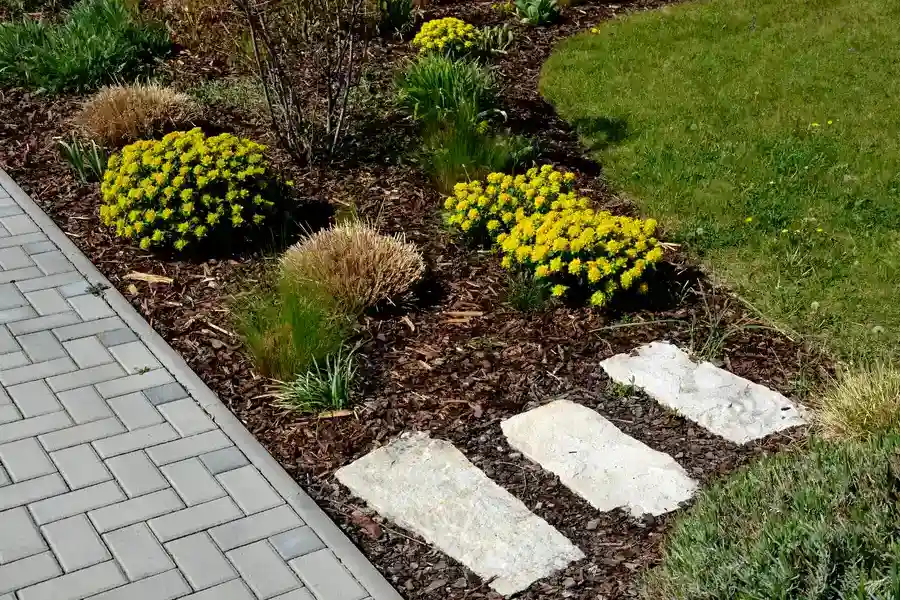
Before starting any mulching project, gather the right materials and tools. The type of mulch you pick depends on your goal. Organic materials break down and feed the soil. Inorganic materials focus more on weed control and moisture retention.
- Organic options: wood chips, bark, shredded leaves, straw, compost
- Inorganic options: gravel, rubber mulch, landscape fabric
- Tools: rake, shovel, gloves, wheelbarrow
If you are working as part of a larger landscaping plan, make sure the soil is weeded and lightly loosened before you apply anything. Healthy soil makes every other step more effective.
Step-by-Step Process for Proper Mulching
Applying mulch is simple, but each step matters. Follow this basic process for strong results.
- Remove weeds and grass from the area.
- Water the soil lightly if it is dry.
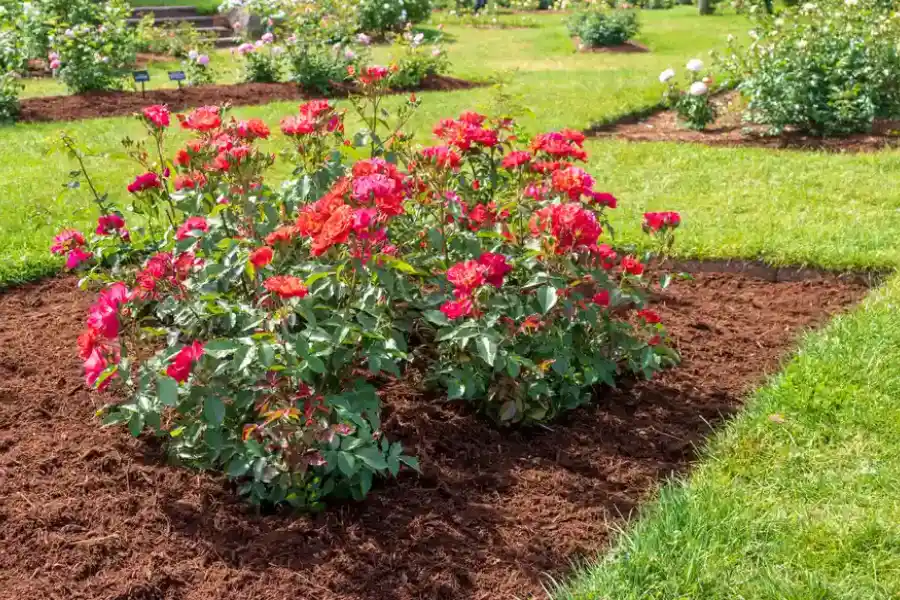
- Spread mulch evenly around plants.
- Keep mulch 2 to 3 inches deep.
- Leave space around plant stems and tree trunks.
That last step is often skipped. Piling mulch against a trunk can trap moisture and lead to rot. A small gap lets air flow and keeps plants safer.
Common Mistakes to Avoid
One of the biggest mistakes is using too much material. A thick layer may seem helpful, but it can block water and air from reaching roots. Soil needs oxygen to support healthy microbes and root systems.
Another mistake is choosing the wrong type for the area. For example, fine mulch works well in flower beds but may wash away on slopes. Larger bark pieces stay in place better during heavy rain.
Some homeowners forget to refresh organic mulch. Since it breaks down over time, you may need to top it off once or twice a year. This breakdown is actually helpful because it feeds the soil and improves texture.
How Mulching Supports Soil Health
Healthy soil is alive. It contains tiny organisms that break down material and release nutrients. Mulching feeds these organisms as organic material decomposes.
It also helps soil in three main ways:
- Keeps moisture from evaporating too fast
- Shields roots from extreme heat and cold
- Reduces weed growth that competes for nutrients
Over time, soil treated with mulch often becomes darker and looser. This structure allows roots to grow deeper and stronger. Better roots mean healthier plants above ground.
When to Call a Professional
Small garden beds are usually easy to handle on your own. Larger properties or uneven terrain can be more challenging. If you are planning a full yard makeover or dealing with drainage problems, expert guidance can help.
A professional team can help select the right material, calculate how much you need, and apply it evenly. They can also blend mulching into a complete lawn and garden care plan so every part of your yard works together.
If your soil is hard, compacted, or always dry, there may be deeper issues. In those cases, adding mulch is helpful but may not solve the whole problem. Soil testing and grading might also be needed.
Final Recommendation
Mulching is one of the simplest ways to improve soil health and protect your landscape long term. When applied at the right depth and refreshed as needed, it supports moisture balance, root growth, and nutrient cycling. If you are planning an outdoor project in Plainfield, NJ, we can help you choose the right approach for your yard. At Luna Landscaping, we provide practical solutions tailored to your property. Call us at (908) 644-5442 to schedule a consultation and let us improve your soil and landscape together.