How Ground Cover Protects Soil and Keeps Hillsides Stable
Mulching is one of the most effective ways to control erosion on slopes. It helps slow down water, hold soil in place, and protect the ground from heavy rain and wind. On a hill or sloped yard, bare soil can wash away fast. A thick layer of protective material creates a barrier that keeps dirt where it belongs. This simple step can reduce runoff, protect plants, and improve the long-term stability of your landscape.
Why Erosion Is a Big Problem on Slopes
Slopes face more stress than flat areas. When it rains, water moves downhill with force. It picks up loose soil and carries it away. Over time, this can create ruts, exposed roots, and even foundation issues.
Wind can also dry out and loosen soil on exposed hillsides. Without protection, grass and plants struggle to grow strong roots. The soil becomes weak and unstable.
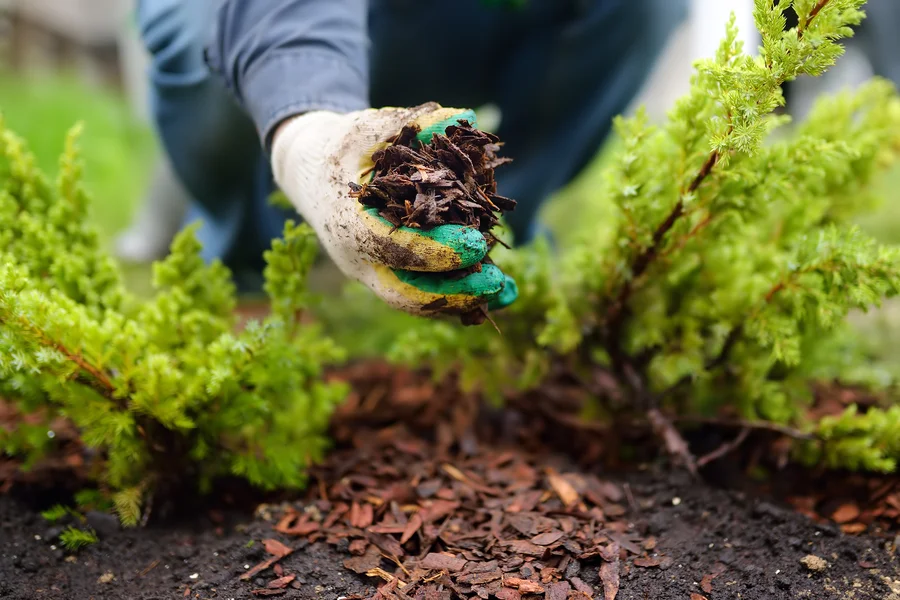
This is where mulching makes a real difference. It acts like a shield between the soil and the weather.
How Mulching Controls Erosion
Mulching works in several ways to protect sloped ground:
- Slows down rainwater before it hits the soil
- Reduces runoff speed as water flows downhill
- Helps soil absorb moisture instead of losing it
- Keeps soil particles from washing away
- Supports seed growth and root strength
When water hits bare dirt, it can break the soil apart. A mulch layer cushions the impact. This keeps the structure of the soil intact.
Mulching also helps grass seed and plants grow better. Strong roots are one of the best natural defenses against erosion. The deeper the roots, the tighter the soil holds together.
Best Types of Mulch for Slopes
Not all materials work the same. Some are better suited for hills and uneven ground.
Common options include:
- Shredded hardwood mulch that locks together
- Straw or hay for newly seeded slopes
- Hydroseed mulch blends for larger areas
- Bark fines that settle tightly into place
Shredded materials tend to stay in place better than large wood chips. On steep slopes, lighter materials can wash away if not installed correctly. In some cases, erosion control blankets or netting may be added on top for extra support.
Added Benefits Beyond Erosion Control
Erosion control is the main goal, but mulching brings other benefits too.
It helps regulate soil temperature. Roots stay cooler in summer and warmer in winter. It also reduces weeds, which compete with grass and plants for nutrients.
Another benefit is moisture control. Slopes dry out quickly because water runs off instead of soaking in. A mulch layer helps trap moisture in the soil. This reduces watering needs and supports healthier growth.
In some projects, mulching is part of a larger landscaping plan tied to services like grading, drainage improvement, or planting. Together, these steps create a stable and attractive yard.
Common Mistakes to Avoid
While mulching is simple, mistakes can limit its effectiveness.
- Applying too thin of a layer
- Using material that easily washes away
- Skipping soil preparation before installation
- Piling mulch too thick around plant stems
A thin layer may not protect the soil well. Most slopes need a few inches of material for full coverage. On the other hand, too much mulch can block airflow to roots.
Proper surface prep also matters. Loose debris or compacted soil can affect how well the mulch settles and stays in place.
When to Call a Professional
Small garden slopes can often be handled with basic tools and store-bought materials. Larger hills or severe erosion issues may need professional help.
If you see deep washouts, exposed tree roots, or water flowing toward your home, the problem may go beyond surface protection. Drainage corrections or regrading might be required before mulching is applied.
Professionals can assess the slope angle, soil type, and drainage patterns. From there, they can recommend the right depth and type of mulch, along with any additional reinforcement methods.
Get Help Protecting Your Property
If you are dealing with soil loss or unstable slopes in Plainfield, NJ, we can help you find a lasting solution. Our team at Luna Landscaping applies mulching methods designed to control runoff and protect your landscape. Call us at (908) 644-5442 to schedule a consultation and let us help protect your property from further erosion.